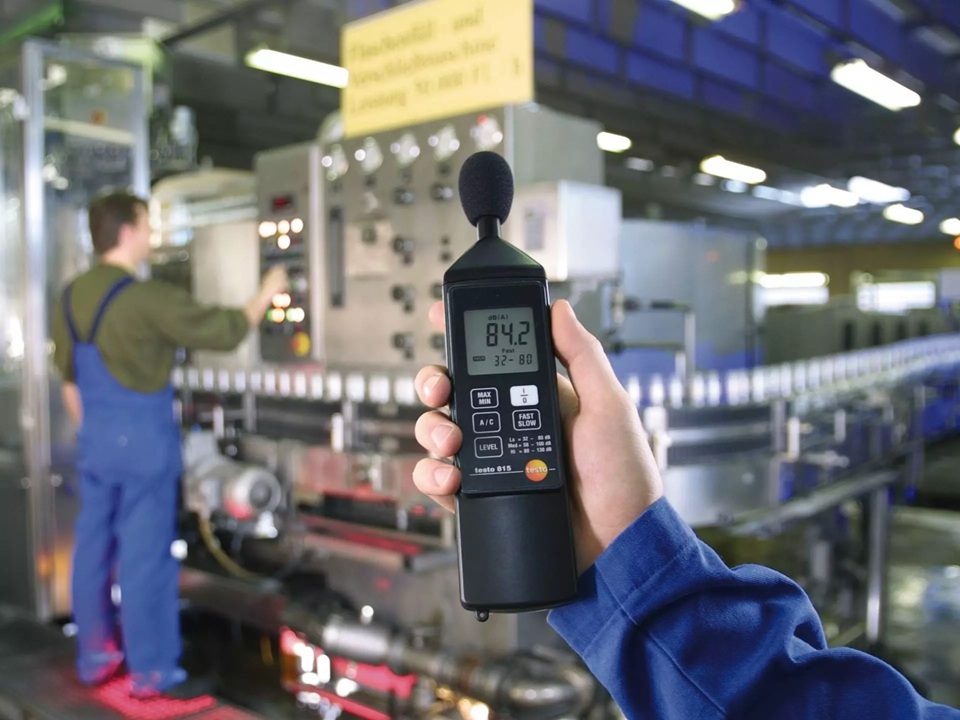
The Importance of Noise Studies in FEED and EPC Phases
Blogs Home / Blogs The Importance of Noise Studies in FEED and EPC Phases In industrial projects, particularly within sectors […]

Blogs Home / Blogs The Importance of Noise Studies in FEED and EPC Phases In industrial projects, particularly within sectors […]
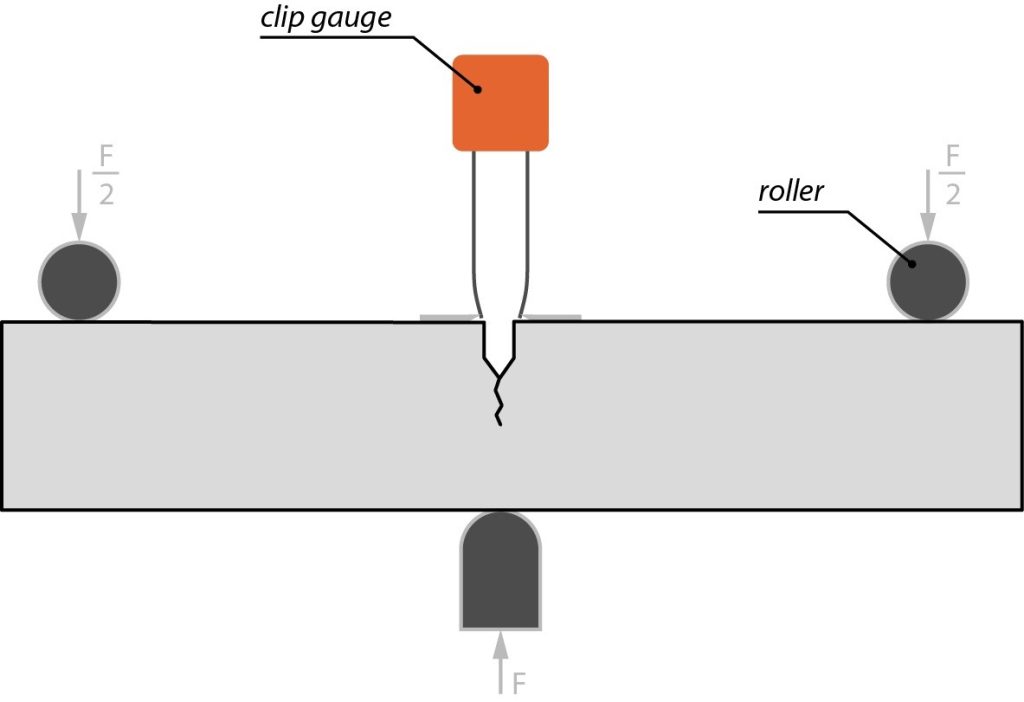
Blogs Home / Blogs Understanding CTOD: A Critical Factor in Offshore Engineering Offshore structures—such as platforms, pipelines, and welded components—operate
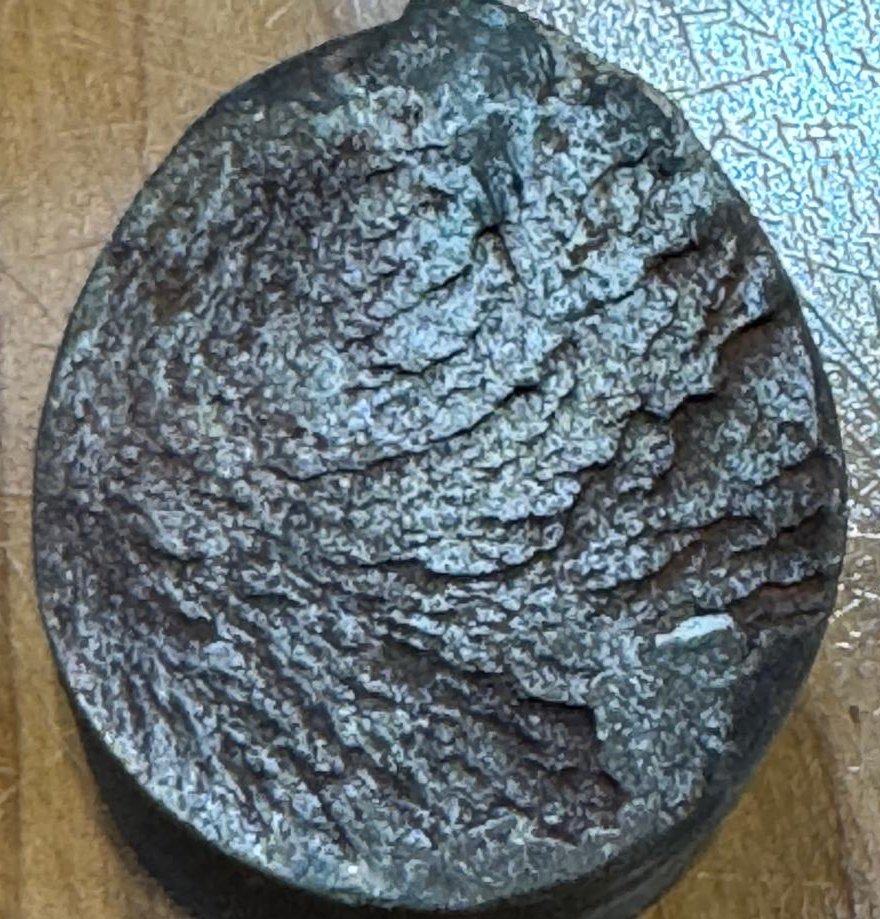
Blogs Home / Blogs Macroscopic Features of Different Failure Modes Failure Type Material Behaviour Key Macroscopic Features Overload Ductile –
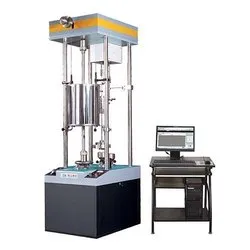
Blogs Elevated temperature Creep test of Metallic Material ASTM E139 is a standard method for performing elevated temperature creep testing
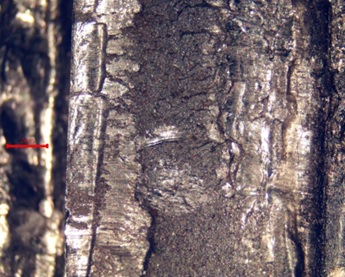
Blogs Home / Blogs Fractography Fractography is a technique utilized in materials science and engineering to study the surfaces of
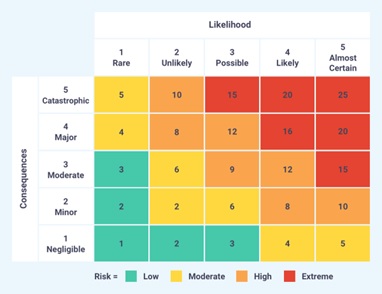
Blogs Quantitative Risk Assessment (QRA) using API 581 API 581 is a recommended practice document published by the American Petroleum
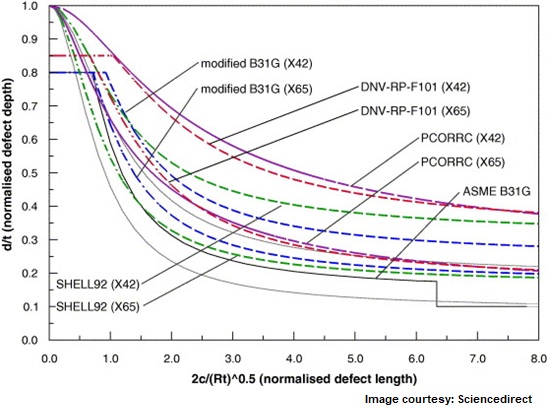
Blogs PIPELINE DEFECT ASSESSMENT USING ASME B31G ASME B31G is extensively employed as a standard for assessing pipeline defects, primarily
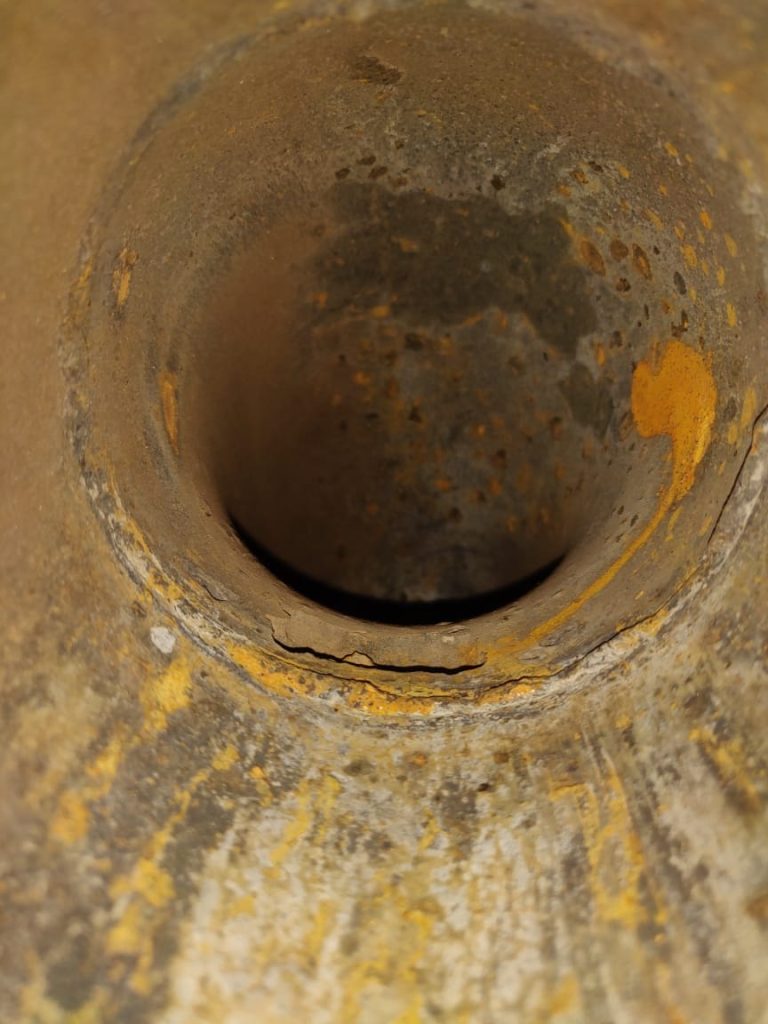
Blogs Erosion of Pipelines/Piping Pipeline erosion and fluid flow velocity are well-known to be related. A fluid that is flowing
Blogs Creep Damage Creep damage refers to the deterioration of metallic samples and other materials when exposed to high temperatures
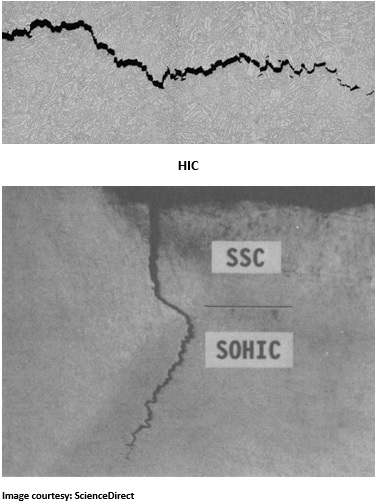
Blogs Home / Blogs HIC, SSCC and SOHIC HIC, SSCC, and SOHIC are different types of hydrogen-induced damage that can