
Steady and Transient Flow Simulation Studies in the UAE
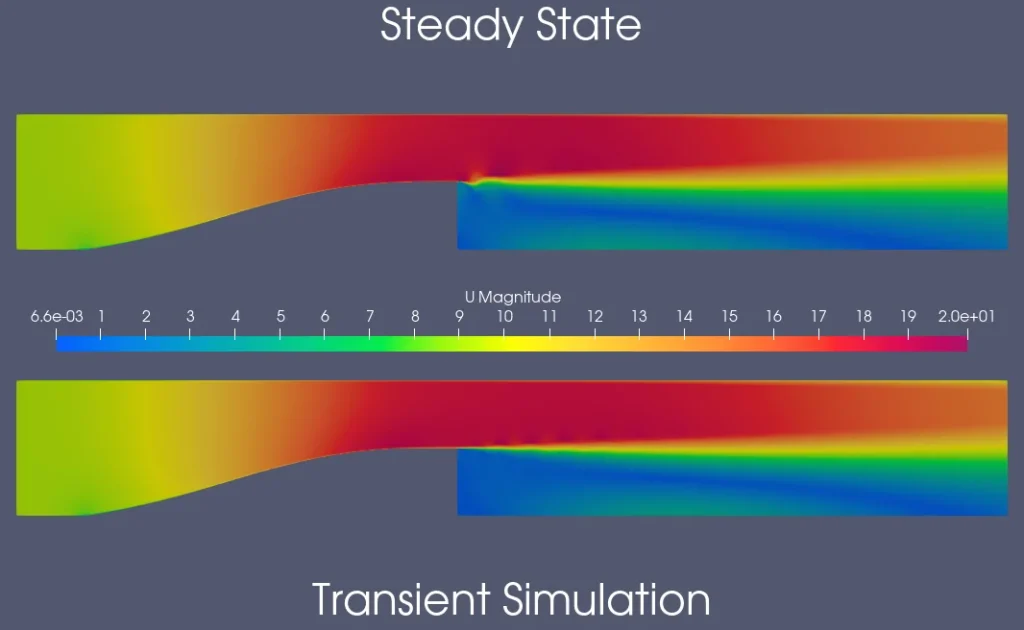
Steady and Transient Flow Simulation Studies
Colossal Consultants provides steady and transient flow simulation studies for pipelines, process systems, water networks and rotating equipment. Our engineers model pressure, flow rate, temperature and system response under normal, start-up, shutdown and upset conditions to identify hydraulic constraints, pressure surges and operational risks before they affect asset reliability or safety.
Steady Flow Simulation and Hydraulic Performance
Steady-state analysis evaluates system behaviour when operating conditions remain effectively constant over time. It is used to confirm pressure profiles, flow distribution, equipment duty, hydraulic capacity and energy losses across piping networks, process facilities and water systems.
Transient Flow Simulation and Surge Analysis
Transient simulation evaluates how pressure, flow rate and equipment response change with time during valve movements, pump trips, emergency shutdowns, start-up, line filling and other operational events. The analysis identifies surge pressures, vacuum conditions, column separation, reverse flow and water-hammer risks that may exceed equipment or piping design limits.
Typical Steady and Transient Flow Applications
- Pipeline capacity, pressure-drop and flow-distribution studies
- Pump and compressor operating-point assessment
- Valve sizing and control-valve performance evaluation
- Start-up, shutdown, line-packing and depressurisation studies
- Pump-trip, valve-closure and emergency-shutdown simulations
- Water-hammer, pressure-surge and vacuum-risk assessment
- Relief, bypass and surge-mitigation system evaluation
- Process, utility, firewater and water-distribution network optimisation
Flow Simulation Study Workflow
1. Define the operating case: Confirm system boundaries, equipment data, fluid properties, control philosophy and required scenarios.
2. Build and verify the model: Develop the hydraulic model and check geometry, elevations, equipment curves, valve characteristics and boundary conditions.
3. Simulate steady conditions: Establish the normal operating baseline and identify pressure, velocity, capacity or distribution constraints.
4. Simulate transient events: Model credible operating changes and upset scenarios to determine maximum and minimum system responses.
5. Evaluate mitigation measures: Test changes such as valve timing, surge vessels, bypasses, control logic or revised operating procedures.
6. Issue recommendations: Provide assumptions, results, limiting cases, engineering conclusions and practical actions.**
Engineering Inputs and Study Requirements
Typical engineering inputs may include:
- Process flow diagrams, P&IDs and piping isometrics
- Pipe sizes, lengths, elevations, materials and roughness data
- Fluid composition and pressure-volume-temperature properties
- Pump and compressor performance curves
- Valve types, flow coefficients, opening or closing times and control logic
- Vessel, tank, separator and accumulator data
- Normal, minimum, maximum and upset operating conditions
- Historical operating data and known hydraulic concerns
- Applicable design limits, codes and client acceptance criteria
Study Deliverables
Typical deliverables may include:
- Verified hydraulic model and documented modelling assumptions
- Steady-state pressure, flow, velocity and equipment-duty results
- Maximum and minimum transient pressure envelopes
- Identification of surge, vacuum, reverse-flow and cavitation risks
- Review of valve timing, pump trips and shutdown sequences
- Comparison of mitigation options and operating scenarios
- Recommended equipment, control or procedural changes
- Technical report with conclusions, limitations and engineering actions
Related Asset Integrity Services
Steady and Transient Flow Simulation Studies FAQs
What is the difference between steady and transient flow simulation?
Steady flow simulation evaluates a system under operating conditions that remain effectively constant over time. Transient flow simulation evaluates time-dependent changes caused by events such as pump trips, valve movements, start-up, shutdown or emergency isolation.
When is transient flow or surge analysis required?
Transient analysis is recommended when rapid operating changes could create water hammer, pressure surges, vacuum conditions, reverse flow, cavitation or loads that may exceed piping and equipment design limits.
What information is required to perform a flow simulation study?
Typical inputs include P&IDs, piping dimensions and elevations, fluid properties, equipment performance curves, valve characteristics, control logic, operating conditions and applicable pressure or equipment limits.
What systems can be assessed using steady and transient simulation?
The studies can be applied to oil and gas pipelines, process piping, water and wastewater networks, firewater systems, utility systems, pumping stations, compressor systems and other fluid-handling facilities.
What does a steady and transient flow study deliver?
Deliverables may include the verified hydraulic model, pressure and flow profiles, transient pressure envelopes, identified hydraulic risks, scenario comparisons, mitigation recommendations and a technical engineering report.