
Failure Analysis & Root Cause Investigation Services in the UAE
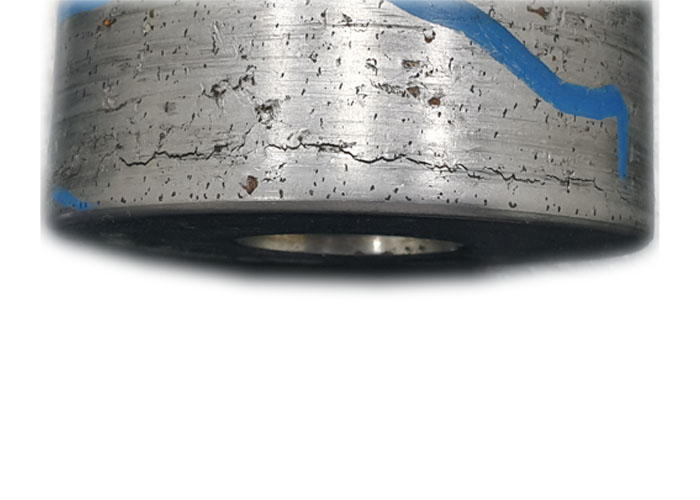
Failure Analysis That Leads to Defensible Corrective Action
When industrial equipment fails, the visible damage is often only the final result of several interacting factors. Colossal Consultants investigates the complete failure sequence to establish what happened, why it happened and what must change to prevent recurrence.
Our work combines operating history, site evidence, inspection findings, materials engineering, corrosion assessment and laboratory examination. The investigation is developed around the actual equipment, service conditions and consequences of failure rather than relying on generic conclusions.
Our Failure Investigation Approach
A typical investigation begins with a review of operating conditions, maintenance history, process excursions, inspection records and previous repairs. We then examine the failed component, document fracture and damage features, identify representative sampling locations and define the laboratory test programme.
Depending on the failure, the work may include visual and dimensional examination, metallography, chemical analysis, hardness testing, mechanical testing, fracture-surface examination, corrosion-product analysis, coating assessment and review of welding or manufacturing quality.
The evidence is then integrated to distinguish the primary failure mechanism from contributing conditions and secondary damage.
Clear Findings, Root Causes and Corrective Actions
The final report provides a documented failure mechanism, immediate and underlying causes, contributing factors and practical recommendations.
Deliverables may include:
- Failure mechanism and root-cause conclusions
- Identification of material, design, fabrication, corrosion, operating or maintenance contributors
- Repair, replacement or continued-operation recommendations
- Material-selection or welding recommendations
- Inspection and monitoring requirements
- Actions to reduce the probability of recurrence
- Recommendations for further fitness-for-service or remaining-life assessment where required
Material & Corrosion
- Failure Analysis and Root Cause Investigation
- Material Selection and Corrosion Engineering
- Corrosion Risk Assessment Study – CRAS
- Corrosion Management and Monitoring
- Corrosion Under Insulation Assessment and Management
- Microbiologically Influenced Corrosion Assessment and Control
- Coating Assessment and Evaluation
- Cathodic Protection
- Corrosivity and Corrosion Testing
Failure Analysis FAQs
What information is needed to begin a failure analysis?
Useful starting information includes the operating history, process conditions, inspection and maintenance records, photographs, previous repairs, material specifications and details of the failure event. Where available, the failed component or representative samples should be preserved for examination.
Which laboratory tests may be required?
The test programme depends on the equipment, material and suspected damage mechanism. It may include visual and dimensional examination, chemical analysis, hardness testing, metallography, mechanical testing, fracture-surface examination, corrosion-product analysis, coating assessment and review of weld or manufacturing quality.
Can the root cause be determined from photographs alone?
Photographs can support an initial technical review, but a defensible root-cause conclusion often requires operating evidence, inspection records and examination of the failed component. The investigation scope is defined according to the available evidence and the consequences of the failure.
What does the final failure analysis report include?
The report documents the evidence reviewed, the identified failure mechanism, immediate and underlying causes, contributing factors and practical corrective actions. Recommendations may address repair, replacement, material selection, welding, inspection, monitoring and recurrence prevention.
Can failure analysis support a continued-operation decision?
Failure-analysis findings can provide essential input to a fitness-for-service or remaining-life assessment. Where continued operation is being considered, the appropriate engineering assessment should be completed using the applicable equipment condition, loading, damage and code requirements.