
Turnkey Laboratory Projects
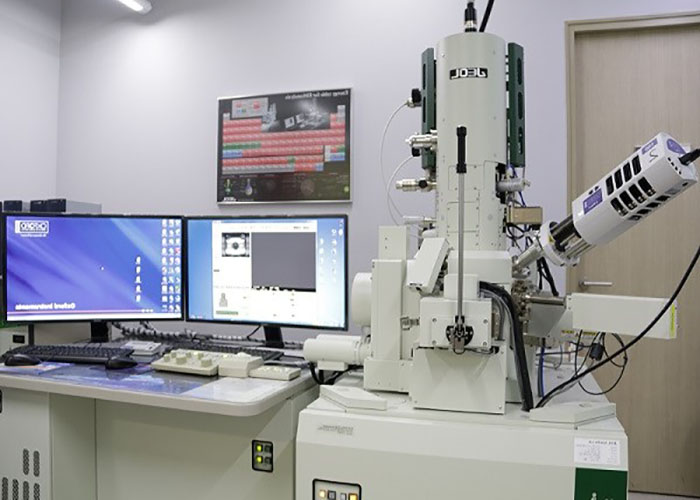
Turnkey Laboratory Projects from Concept to Commissioning
Colossal Consultants provides turnkey laboratory project services covering the planning, design, equipment selection, installation, commissioning and operational preparation of new and upgraded laboratories. Our approach brings the principal technical and delivery activities together under one coordinated project framework, helping clients move from an initial requirement to a functional laboratory ready for routine use.
Every laboratory has different testing objectives, workflow requirements, safety considerations and regulatory obligations. We therefore begin by understanding the intended applications, sample volumes, analytical methods, staffing needs, available space and future expansion plans. These requirements guide the laboratory layout, utility provisions, equipment specifications and implementation programme.
End-to-End Laboratory Project Delivery
Our turnkey laboratory project scope can include:
- User-requirement assessment and project definition
- Laboratory feasibility studies and concept development
- Space planning, workflow review and laboratory layout design
- Equipment identification, specification and technical evaluation
- Procurement support for analytical instruments and testing equipment
- Laboratory furniture, workbench, storage and fit-out coordination
- Utility planning for electrical power, water, gases, ventilation and extraction
- Equipment installation, calibration and commissioning coordination
- Laboratory Information Management System integration support
- Development of operating procedures and quality-system documentation
- Staff training and operational-readiness support
- Final inspection, handover and close-out documentation
The exact scope is tailored to the laboratory’s purpose, project stage and client requirements. Colossal Consultants can support a complete new laboratory or selected work packages within an existing facility expansion or modernization project.
Our Turnkey Laboratory Project Process
1. Requirements and feasibility
We establish the laboratory’s intended functions, testing capacity, applicable methods, project constraints and implementation priorities. Existing facilities, available utilities and future development requirements are also considered where relevant.
2. Concept design and laboratory planning
The laboratory layout is developed around efficient personnel movement, sample flow, equipment access, safety and maintainability. Attention is given to work zones, storage, utility connections, environmental controls and the relationship between testing activities.
3. Equipment and fit-out specification
Suitable laboratory instruments, testing systems, furniture and supporting infrastructure are identified based on the required applications and performance criteria. Technical specifications can be prepared to support procurement and vendor evaluation.
4. Procurement and implementation coordination
We assist with the technical review of supplier proposals, equipment selection and coordination between laboratory equipment, furniture, utilities and building services. This reduces the risk of incompatibilities appearing during installation.
5. Installation, calibration and commissioning
Installation and commissioning activities are coordinated to verify that equipment and supporting systems are correctly integrated. Calibration requirements, functional checks, documentation and outstanding actions are reviewed before handover.
6. Operational readiness and final handover
The final stage can include operating procedures, training, quality documentation, laboratory information systems and preparation for accreditation or client approval. The objective is a controlled transition from project completion to routine laboratory operations.
Laboratory Applications
Turnkey laboratory projects may support industrial testing, quality-control, materials testing, environmental analysis, petroleum and petrochemical operations, research activities, product evaluation and other specialist analytical requirements.
The laboratory design and equipment strategy should reflect the actual tests to be performed rather than relying on a generic layout. This helps ensure that the completed facility is practical, safe and capable of supporting the required testing programme.
Quality Systems and ISO 17025 Readiness
Where required, Colossal Consultants can support the development of laboratory procedures, documentation and implementation plans aligned with the operational and quality requirements of the facility. This may include preparation activities associated with ISO/IEC 17025 accreditation, such as equipment-control procedures, calibration records, method documentation, competence requirements and management-system processes.
Accreditation remains subject to assessment by the relevant accreditation body, but structured preparation during the laboratory-project phase can reduce avoidable gaps later.
Why Work with Colossal Consultants?
Our multidisciplinary approach connects laboratory operations with engineering, equipment, quality and project-delivery considerations. Clients receive a coordinated technical service focused on usability, compliance, maintainability and long-term operational performance.
From the first layout discussion through equipment commissioning and handover, we help clients develop laboratories that are designed around their actual testing needs and project objectives.
Frequently Asked Questions About Turnkey Laboratory Projects
A turnkey laboratory project can include requirements assessment, feasibility review, laboratory layout and workflow planning, equipment specification, procurement support, utility coordination, furniture and fit-out planning, installation, calibration, commissioning, operating procedures, staff training and final handover. The exact scope is tailored to the laboratory’s intended applications and project requirements.
Yes. Colossal Consultants can support the development of a completely new laboratory or selected work packages for an existing laboratory expansion, modernization or equipment-upgrade project. The scope can be adapted to the condition of the existing facility and the client’s operational priorities.
Equipment selection is based on the required test methods, sample types, expected workload, performance criteria, available utilities, space, maintenance needs and future capacity. Technical specifications can also be prepared to support supplier comparison, procurement and vendor evaluation.
Where required, the project can include support for laboratory procedures, equipment-control processes, calibration records, method documentation, staff-competence requirements and other management-system elements associated with ISO/IEC 17025 readiness. Formal accreditation remains subject to assessment by the relevant accreditation body.
Planning should ideally begin before the laboratory layout, utilities and major equipment purchases are finalized. Early coordination helps align testing requirements with space, workflow, safety systems, building services and equipment specifications, reducing the risk of costly changes during installation.