
Microbiologically Influenced Corrosion Assessment and Control Services in the UAE
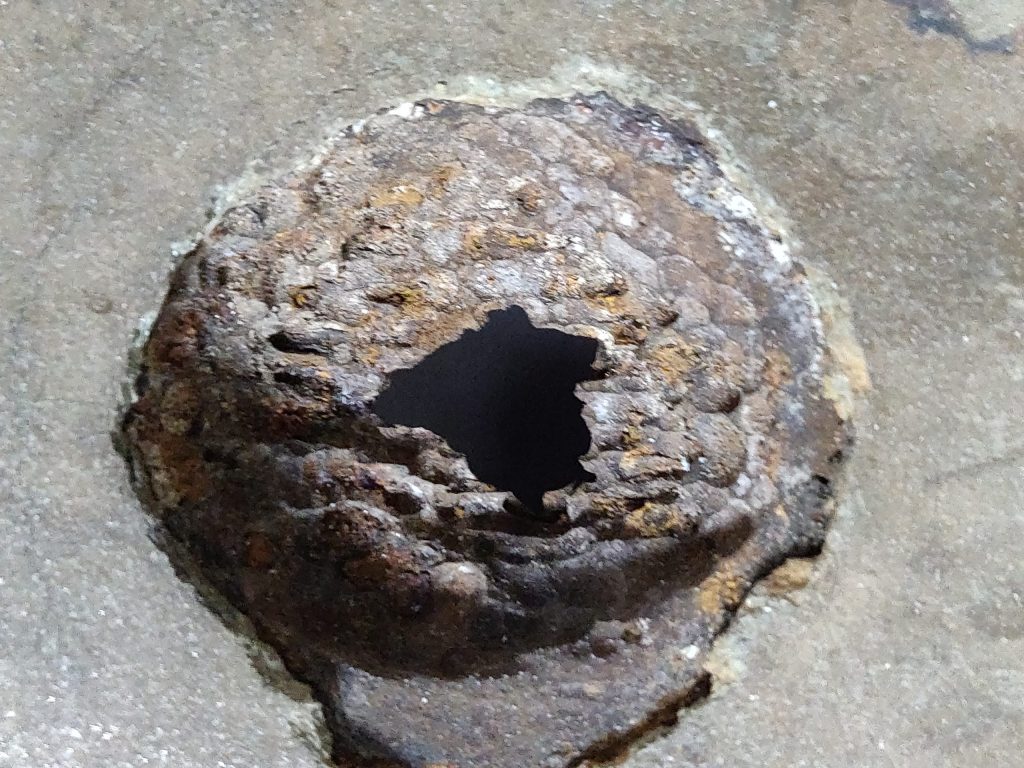
Identifying and Controlling Microbiologically Influenced Corrosion
Microbiologically influenced corrosion (MIC) is corrosion in which microorganisms and their biofilms alter local surface conditions and contribute to accelerated or highly localised attack. It can affect carbon steel, stainless steel and other alloys in water-containing systems, producing pitting, under-deposit corrosion, tuberculation, fouling or rapid wall loss that may initially resemble purely chemical or mechanical corrosion.
Colossal Consultants assesses whether microbial activity is a credible contributor to observed deterioration and develops practical control measures. The assessment combines asset history, operating conditions, water chemistry, deposit and corrosion-product examination, microbiological sampling and corrosion morphology. The objective is to establish the likely mechanism, identify susceptible locations and define proportionate actions for cleaning, treatment, monitoring, material or design improvements and recurrence prevention.
This focused MIC assessment supports—but does not replace—broader corrosion management, Corrosion Under Insulation assessment, Risk-Based Inspection, coating evaluation or general laboratory corrosion testing.
Our MIC Assessment and Control Approach
The assessment begins by defining the affected systems, operating history and deterioration pattern. We review process and utility-water conditions, temperatures, flow regimes, periods of stagnation, shutdown history, chemical-treatment records, corrosion-monitoring data, inspection findings, cleaning practices and previous microbiological results.
Potential MIC locations are then identified, including dead legs, low-flow areas, tank bottoms, water-injection systems, cooling-water circuits, firewater systems, hydrotest water exposure, drains, separators, produced-water systems and surfaces beneath deposits or biofilms. Sampling locations and methods are selected carefully because poor sampling, delayed preservation or contamination can produce misleading microbiological results.
The evaluation combines field observations with corrosion morphology, deposit and corrosion-product examination, water chemistry and appropriate microbiological evidence. Depending on the system and investigation objectives, this may include culture-based testing, microscopy, ATP measurement or molecular methods. Results are interpreted together rather than using a single microbial count as proof of MIC.
Where MIC is considered credible, practical control measures may include deposit removal, flushing, drainage improvements, reduction of stagnant zones, revised biocide or chemical-treatment programmes, improved sampling and monitoring, material or coating changes and verification of treatment effectiveness. This MIC-specific work complements—but does not replace—broader corrosion management, RBI, CUI assessment, coating evaluation or general corrosion testing.
MIC Assessment, Control Priorities and Practical Deliverables
The completed assessment converts operating information, inspection evidence, water chemistry, deposit and corrosion-product findings and microbiological results into a practical MIC control plan. It identifies where microbial activity is a credible contributor, which locations require priority attention and what cleaning, treatment, monitoring, engineering or verification measures should be considered.
Typical deliverables may include:
- Defined MIC assessment scope and affected-system register
- Review of operating history, water sources, temperatures, flow conditions, stagnation, treatment and cleaning practices
- MIC susceptibility screening and priority ranking of systems and locations
- Identification of dead legs, low-flow areas, deposit-prone zones and other vulnerable locations
- Sampling plan covering locations, methods, preservation, transport and contamination control
- Review and interpretation of microbiological, water-chemistry, deposit and corrosion-product data
- Assessment of corrosion morphology and its consistency with possible MIC mechanisms
- Identification of credible microbial contributors and the conditions supporting their activity
- Immediate cleaning, flushing, deposit-removal or containment recommendations where appropriate
- Review and optimisation recommendations for biocide or other chemical-treatment programmes
- Recommendations for drainage, circulation, dead-leg reduction, materials, coatings or design improvements
- Monitoring plan using suitable microbiological, water-quality and corrosion indicators
- Verification criteria, follow-up sampling, monitoring intervals and reassessment requirements
- Clearly stated data gaps, limitations and requirements for further specialist examination or testing
- Coordination recommendations for separately scoped corrosion management, RBI, CUI assessment, coating evaluation or general corrosion testing
Material & Corrosion
- Failure Analysis and Root Cause Investigation
- Material Selection and Corrosion Engineering
- Corrosion Risk Assessment Study – CRAS
- Corrosion Management and Monitoring
- Corrosion Under Insulation Assessment and Management
- Microbiologically Influenced Corrosion Assessment and Control
- Coating Assessment and Evaluation
- Cathodic Protection
- Corrosivity and Corrosion Testing
Microbiologically Influenced Corrosion Assessment and Control FAQs
Microbiologically influenced corrosion is corrosion in which microorganisms and their biofilms alter conditions at a metal surface and contribute to accelerated or highly localised attack. Microbial activity can influence oxygen levels, acidity, sulphide production, deposits and electrochemical reactions. MIC usually develops where water, nutrients, deposits, low flow or stagnation create favourable conditions.
Susceptible locations include dead legs, low-flow piping, tank bottoms, cooling-water and firewater systems, produced-water and water-injection systems, drains, separators, hydrotest water exposures and surfaces beneath deposits or biofilms. Risk depends on water chemistry, temperature, flow, stagnation, treatment effectiveness, materials and operating history.
MIC should not be confirmed from a single microbial count alone. A credible assessment combines operating history, corrosion morphology, deposit and corrosion-product examination, water chemistry, field observations and suitable microbiological evidence. Depending on the system, testing may include culture-based methods, microscopy, ATP measurement or molecular techniques.
How is MIC assessment different from corrosion management, RBI, CUI assessment or corrosion testing?
MIC assessment focuses specifically on whether microbial activity is contributing to corrosion and on the conditions that allow it to persist. Corrosion management covers the broader corrosion-control programme, RBI prioritises inspection according to risk, CUI assessment addresses corrosion beneath insulation, and general corrosion testing evaluates materials or environments under defined conditions. These services may support one another but are not interchangeable.
Recommendations may include cleaning and deposit removal, flushing, improved drainage or circulation, reduction of stagnant zones, revised biocide or chemical-treatment programmes, improved sampling and monitoring, material or coating changes, design modifications and follow-up verification of treatment effectiveness.