
Human Factor Engineering and Ergonomic Studies
Human Factor Engineering and Ergonomic Studies
Colossal Consultants provides human factor engineering and ergonomic studies for industrial facilities, energy projects and high-hazard operations across the UAE. Our work considers how people interact with equipment, control systems, procedures, workplaces and organisational arrangements so that facilities can be operated safely, efficiently and reliably.
Human Factor Engineering (HFE) integrates physical, cognitive and organisational ergonomics into engineering design and operational decision-making. By addressing human capabilities and limitations early, project teams can reduce avoidable error, improve usability, strengthen situational awareness and create work systems that support safe and consistent performance.
What Our Human Factor Engineering and Ergonomic Studies Cover
Our HFE and ergonomic studies can support projects throughout the asset lifecycle, from concept selection and FEED through detailed design, construction, commissioning, operation, modification and decommissioning. The scope is tailored to the facility, workforce, operating philosophy and level of risk.
- HFE strategy and design integration: defining human-factors objectives, responsibilities, design criteria, review activities and verification requirements.
- Task and workload analysis: evaluating normal, abnormal and emergency tasks, information needs, physical demands, decision points and potential sources of error.
- Control-room and workstation ergonomics: reviewing layouts, sightlines, reach envelopes, seating, access, communication and operator interaction with displays and controls.
- Human-machine interface and alarm review: assessing information presentation, control logic, alarm prioritisation, navigation, consistency and support for situational awareness.
- Physical ergonomics and anthropometry: evaluating posture, manual handling, access, clearance, tool use and equipment positioning for the intended user population.
- Environmental ergonomics: considering lighting, noise, vibration, thermal conditions and other workplace factors that may influence comfort, concentration and performance.
- Procedures, staffing and organisational factors: reviewing operating instructions, competence needs, communications, staffing levels, shift arrangements, fatigue exposure and work organisation.
- Human error and reliability assessment: identifying error-likely situations, performance-shaping factors and practical measures that reduce the probability or consequences of human error.
- Design review and verification: checking that agreed HFE recommendations are incorporated into drawings, specifications, interfaces, procedures and final workplace arrangements.
Our Human Factor Engineering and Ergonomic Studies Approach
Each engagement begins with the intended users, tasks, operating environment and decisions the study must support. Our approach applies recognised ergonomics and human-centred design principles while remaining practical for industrial projects and operating facilities.
- Scope and information review: defining the facility, systems, user groups, operating scenarios, project interfaces, applicable requirements and HFE objectives.
- User and task analysis: identifying who will use, operate, maintain or respond to the system and evaluating the physical, cognitive and organisational demands of their work.
- Human-factors risk identification: locating error-likely situations, excessive workload, poor access, unclear information, conflicting controls and environmental or organisational conditions that may affect performance.
- Design evaluation: reviewing layouts, equipment, interfaces, procedures and work arrangements against the required tasks, user characteristics and operating scenarios.
- Recommendations and design integration: developing proportionate, technically practical improvements with clear priorities, responsibilities and links to engineering deliverables.
- Verification and close-out: confirming that agreed actions have been incorporated and documenting residual issues, assumptions and any further validation required.
Human Factor Engineering and Ergonomic Studies Deliverables
Deliverables are prepared to suit the project stage and client requirements. They may include an HFE philosophy or management plan, user and task profiles, ergonomic design criteria, anthropometric requirements, task-analysis records, workstation and control-room reviews, human-machine interface observations, alarm-management recommendations, ergonomic risk registers, marked-up layouts, action trackers and verification reports.
Where relevant, recommendations can be linked to recognised ergonomics, human-centred design, occupational health and safety and control-centre design principles. Findings are documented with their technical basis, operational significance, recommended priority and responsible action owner so that they can be integrated into engineering and project close-out processes.
When Human Factor Engineering and Ergonomic Support Is Required
HFE provides the greatest value when introduced during concept selection, FEED and detailed design, before equipment locations, control philosophies, interfaces and workplace arrangements become difficult or costly to change. It is also valuable during brownfield modifications, control-room upgrades, digitalisation projects, commissioning and operational improvement programmes.
A focused study may be required when new equipment or technology is introduced, operator workload changes, recurring human errors or near misses are identified, workstations create discomfort or musculoskeletal concerns, procedures are difficult to use, alarm or interface performance is poor, or a facility must demonstrate that human capabilities and limitations have been considered systematically.
Why Work With Colossal Consultants?
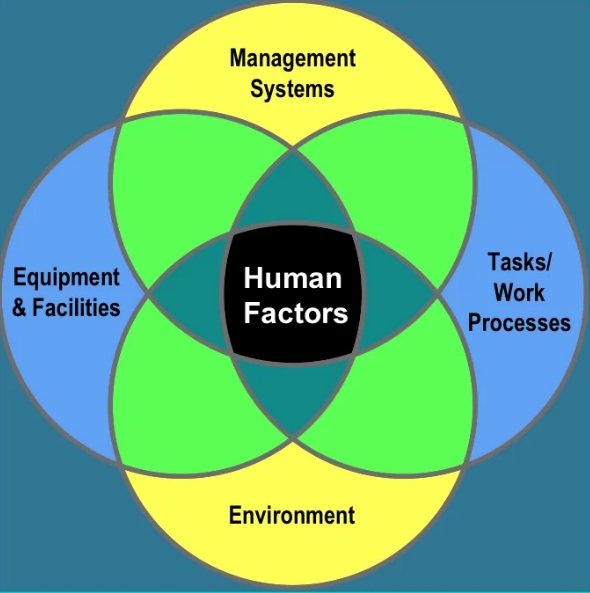
Colossal Consultants combines engineering, HSE, operational and risk-management perspectives to evaluate how people, technology, tasks and the work environment interact. This multidisciplinary approach helps ensure that recommendations are practical for the facility and aligned with the design and operating decisions that must be made.
We tailor each engagement to the project stage, user population, operating context and level of risk. Contact Colossal Consultants to discuss human factor engineering and ergonomic studies for an industrial facility, energy project, control room, workplace or high-hazard operation in the UAE or wider region.
Health, Safety & Environment Services
Human Factor Engineering and Ergonomic Studies FAQs
What is Human Factor Engineering and why is it important?
Human Factor Engineering is the systematic consideration of how people interact with equipment, interfaces, procedures, tasks and the working environment. It is important because designing around human capabilities and limitations can reduce error, improve safety and usability, support situational awareness and help personnel perform work more reliably and efficiently.
When should Human Factor Engineering and ergonomic studies be carried out?
Human Factor Engineering and ergonomic studies provide the greatest value when introduced during concept selection, FEED and detailed design, before equipment layouts, control philosophies, interfaces and workplace arrangements become difficult or costly to change. They may also be required during brownfield modifications, control-room upgrades, commissioning, digitalisation projects and operational improvement programmes.
What areas can be assessed during an HFE and ergonomic study?
The assessment may cover user tasks and workload, control rooms, workstations, human-machine interfaces, alarms, equipment access, anthropometry, manual handling, lighting, noise, vibration, thermal conditions, procedures, staffing, fatigue, communications and other organisational factors that may influence safety, usability and human performance.
What information is required for a Human Factor Engineering study?
The required information depends on the project stage and study scope. It may include facility layouts, equipment drawings, control philosophies, interface designs, operating procedures, task descriptions, staffing arrangements, user profiles, alarm information, incident records, project specifications and applicable client or regulatory requirements.
What are the typical deliverables from HFE and ergonomic studies?
Typical deliverables may include an HFE philosophy or management plan, user and task profiles, ergonomic design criteria, anthropometric requirements, task-analysis records, workstation and control-room reviews, interface and alarm observations, ergonomic risk registers, marked-up layouts, action trackers and verification reports.